Content for this style is being prepared.
Discipline radar
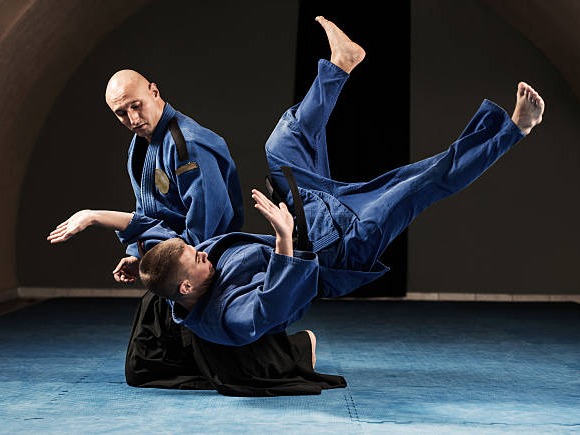
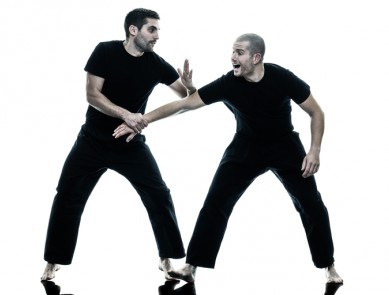
Aikido, a Japanese martial art focused on self-defense and spiritual development, has gained popularity worldwide for its unique approach to combat and personal growth. This gentle yet powerful discipline offers practitioners a path to physical fitness, mental clarity, and self-discovery. ## The Rich History and Origins of Aikido Aikido, which translates to "the way of harmonious spirit," was developed in the early 20th century by Morihei Ueshiba, also known as O-Sensei. Rooted in traditional Japanese martial arts, Aikido evolved from Ueshiba's extensive training in various combat styles, including Daitō-ryū Aiki-jūjutsu. ### Cultural and Geographical Roots Born in Tanabe, Japan, Ueshiba's martial arts journey was deeply influenced by his spiritual beliefs and experiences. The principles of Aikido reflect Japanese philosophy, emphasizing harmony with nature and the universe. This unique blend of physical technique and spiritual practice has made Aikido a distinctive martial art that continues to captivate practitioners around the globe.
Boxe Chic, also known as "Elegant Boxing" in English, is a unique and sophisticated combat sport that combines the grace of dance with the power of traditional boxing. This innovative discipline has been gaining popularity among fitness enthusiasts and martial arts practitioners alike, offering a fresh approach to self-defense and physical conditioning. ## The History and Origins of Boxe Chic Boxe Chic originated in France during the early 2000s, drawing inspiration from classical boxing techniques and the country's rich history of artistic expression. Developed by former professional boxer and choreographer Jean-Pierre Dubois, this combat sport aimed to create a more refined and aesthetically pleasing form of boxing that would appeal to a broader audience. The sport quickly gained traction in Paris, spreading to other major European cities and eventually reaching international recognition. Boxe Chic's fusion of athleticism and artistry has made it a popular choice for those seeking a unique and challenging workout experience. ## Techniques and Fundamental Principles Boxe Chic incorporates a blend of traditional boxing movements with elements of dance and fluid body mechanics. The sport emphasizes precision, timing, and graceful execution of techniques.
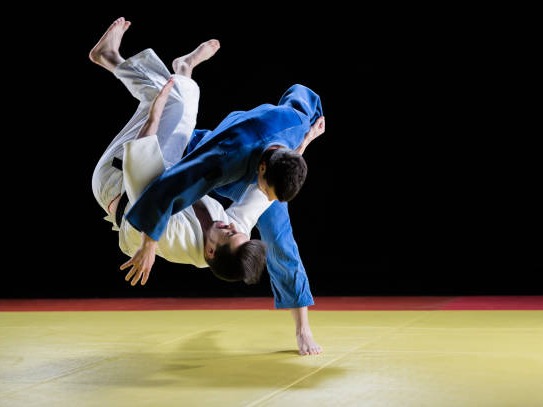
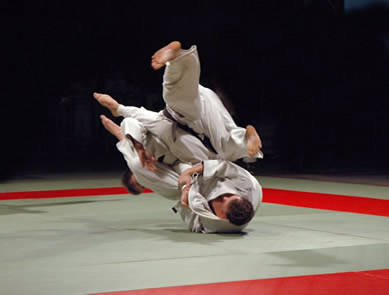
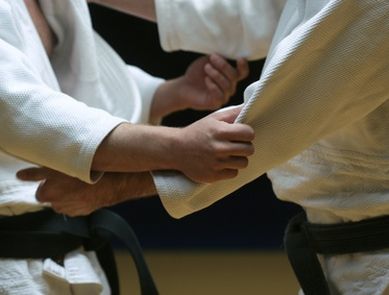
Judo, meaning "gentle way" in Japanese, is a dynamic and versatile combat sport that has captured the hearts of millions worldwide. This Olympic discipline combines physical prowess with mental acuity, offering practitioners a unique blend of self-defense, competition, and personal development. ## History and Origins of Judo Judo's roots can be traced back to late 19th century Japan, where it was developed by Jigoro Kano. Born out of traditional Japanese jujutsu, Judo was designed to be a more accessible and practical martial art. Kano's vision was to create a system that emphasized efficiency, leverage, and the principle of "maximum efficiency with minimum effort." ### Key Milestones in Judo's Evolution: - 1882: Kano founds the Kodokan, the first Judo school - 1964: Judo makes its Olympic debut in Tokyo - 1988: Women's Judo becomes an Olympic demonstration sport - 1992: Women's Judo officially joins the Olympic program.
Nihon Taï Jitsu, which translates to "Japanese Body Technique," is a comprehensive martial art that combines elements of traditional Japanese combat styles with modern self-defense techniques. This dynamic and effective martial art has gained popularity worldwide for its practical approach to personal protection and physical fitness. ## Origins and History of Nihon Taï Jitsu Nihon Taï Jitsu traces its roots back to post-World War II Japan. The art was developed by Master Minoru Mochizuki, who sought to create a comprehensive martial system that incorporated elements from various traditional Japanese martial arts. Influenced by his extensive training in Aikido, Judo, and Karate, Mochizuki sensei created a unique style that emphasized practical self-defense techniques. In the 1950s, the art was introduced to Europe by Master Jim Alcheik, who further refined and popularized the discipline. Since then, Nihon Taï Jitsu has spread globally, attracting practitioners interested in its comprehensive approach to self-defense and personal development.
Details for this discipline are being curated.
Mixed Martial Arts, commonly known as MMA, has emerged as one of the most exciting and fastest-growing combat sports in the world. This dynamic discipline combines various fighting techniques from different martial arts, creating a unique and challenging competitive environment. ## The History and Origins of MMA MMA's roots can be traced back to ancient Greece, where a combat sport called Pankration combined wrestling and boxing techniques. However, the modern incarnation of MMA began to take shape in the early 1990s with the creation of the Ultimate Fighting Championship (UFC) in the United States. ### Cultural and Geographical Influences MMA has been influenced by various martial arts from around the world, including: - Brazilian Jiu-Jitsu - Muay Thai - Wrestling - Boxing - Karate - Judo These diverse influences have contributed to the global appeal and continual evolution of the sport.
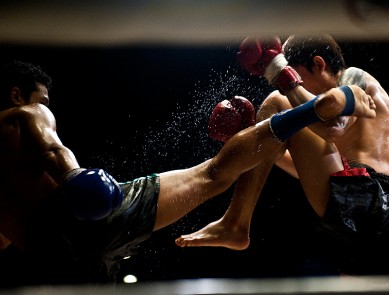
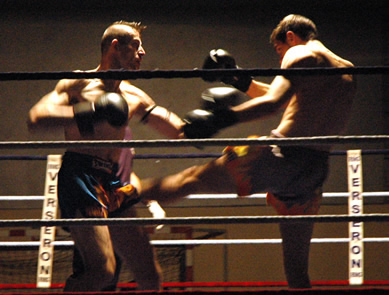
Muay Thai, also known as Thai boxing, is a dynamic and powerful combat sport that has gained worldwide popularity. Originating from Thailand, this martial art is renowned for its effective striking techniques and rich cultural heritage. In this article, we'll delve into the world of Muay Thai, exploring its history, techniques, benefits, and more. ## History and Origins of Muay Thai Muay Thai has deep roots in Thai culture, dating back several centuries. Its development can be traced to ancient battlefield tactics used by Thai warriors. Over time, it evolved from a military combat technique to a popular spectator sport. ### Key historical milestones: - 13th-16th centuries: Muay Thai emerges as a martial art in Thailand - 18th century: King Rama V promotes Muay Thai as a national sport - 20th century: Standardization of rules and spread to international audiences.
MMA Fight'Ness GYM is an innovative combat sport that combines the intensity of mixed martial arts (MMA) with a unique fitness-focused approach. This dynamic discipline offers practitioners a comprehensive workout experience while honing their fighting skills. Whether you're a seasoned martial artist or a fitness enthusiast looking for a new challenge, MMA Fight'Ness GYM provides an exhilarating platform to push your limits and achieve your goals. ## Origins and Evolution of MMA Fight'Ness GYM MMA Fight'Ness GYM emerged as a response to the growing popularity of mixed martial arts and the increasing demand for high-intensity fitness programs. Originating in urban fitness centers, this hybrid discipline quickly gained traction among combat sports enthusiasts and fitness aficionados alike. The sport's evolution has been marked by a seamless integration of various martial arts techniques with cutting-edge fitness methodologies, creating a unique and effective training system.
Krav Maga, which translates to "contact combat" in Hebrew, is a highly effective and practical self-defense system developed for the Israel Defense Forces. This intense combat sport has gained worldwide popularity for its no-nonsense approach to real-life threatening situations. Let's dive into the world of Krav Maga and explore its history, techniques, benefits, and more. ## The Origins and Evolution of Krav Maga ### From Street Fighting to Military Training Krav Maga was created in the 1940s by Imi Lichtenfeld, a Hungarian-Israeli martial artist. Lichtenfeld combined his boxing and wrestling skills with street fighting techniques to defend the Jewish quarter against fascist groups in Czechoslovakia. After immigrating to Israel, he further developed Krav Maga for the Israeli military, focusing on quick and efficient self-defense methods. ### Global Expansion and Civilian Adaptation In the 1960s, Krav Maga began to spread beyond military circles, adapting its techniques for civilian use. Today, it is practiced worldwide by law enforcement agencies, military personnel, and civilians seeking practical self-defense skills.
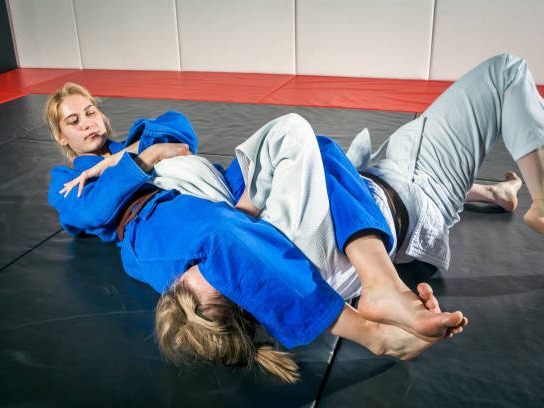
Jujitsu, also known as Jiu-Jitsu, is a sophisticated martial art that has captivated practitioners worldwide for centuries. This ancient Japanese combat sport emphasizes technique, leverage, and strategy over brute strength, making it a highly effective form of self-defense and a challenging competitive discipline. ## History and Origins of Jujitsu Jujitsu's roots can be traced back to feudal Japan, where it emerged as a method of unarmed combat for samurai warriors. The art was developed as a means of defense against armed opponents when weapons were lost or unavailable on the battlefield. Over time, Jujitsu evolved into various styles and schools, each with its unique techniques and philosophies. ### Cultural Significance In Japanese culture, Jujitsu represented more than just a fighting system. It embodied principles of discipline, respect, and self-improvement, which are still integral to its practice today. As Japan opened up to the world in the late 19th century, Jujitsu began to spread globally, influencing the development of other martial arts such as Judo, Brazilian Jiu-Jitsu, and Aikido.
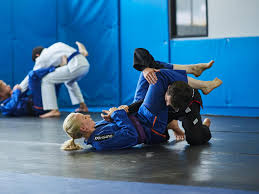
Brazilian Jiu-Jitsu, known as "Jujitsu Brésilien" in French, is a dynamic and highly effective martial art that has taken the combat sports world by storm. This grappling-based discipline focuses on ground fighting techniques, submissions, and leverage, making it an essential component of modern mixed martial arts (MMA) training. ## The Rich History and Origins of Brazilian Jiu-Jitsu Brazilian Jiu-Jitsu (BJJ) traces its roots back to early 20th century Brazil. The Gracie family, particularly Carlos and Hélio Gracie, played a pivotal role in developing and popularizing this martial art. They adapted traditional Japanese Jujutsu and Judo techniques to create a unique system that emphasizes ground fighting and submission holds. ### Key Milestones in BJJ History: - 1914: Mitsuyo Maeda introduces Judo to Brazil - 1920s: Carlos Gracie begins teaching Jiu-Jitsu - 1930s: Hélio Gracie refines techniques for smaller practitioners - 1993: Royce Gracie showcases BJJ's effectiveness in the UFC.
Boxe Française, also known as French Savate or French Kickboxing, is a captivating combat sport that combines graceful footwork with powerful striking techniques. This unique martial art has gained popularity worldwide for its blend of elegance and effectiveness, making it a fascinating discipline for both practitioners and spectators alike. ## History and Origins of Boxe Française ### From Street Fighting to Refined Martial Art Originating in the streets of Paris during the early 19th century, Boxe Française evolved from a rough-and-tumble fighting style to a sophisticated combat sport. The discipline was refined by Charles Lecour, who combined English boxing techniques with the kicking methods of French street fighting, creating the foundation of modern Savate. ### Cultural Significance in France Boxe Française quickly became an integral part of French culture, gaining recognition as a national sport. Its popularity spread throughout Europe and eventually across the globe, cementing its status as a respected martial art and Olympic demonstration sport.
Hapkido, a dynamic Korean martial art, combines powerful strikes, joint locks, and fluid movements to create an effective self-defense system. This comprehensive combat sport has gained popularity worldwide for its practical applications and holistic approach to personal protection. ## History and Origins of Hapkido Hapkido's roots can be traced back to early 20th century Korea, where it was developed by Choi Yong-sool. After studying various martial arts in Japan, Choi returned to Korea and began teaching his unique blend of techniques, which eventually evolved into Hapkido. ### Cultural Significance Hapkido reflects Korean culture's emphasis on harmony and circular motion. The name itself embodies these principles: - "Hap" means harmony or coordination - "Ki" refers to inner energy or power - "Do" signifies the way or path.
"Boxe Anglaise," also known as English Boxing or simply boxing, is a combat sport that has captivated audiences for centuries. This noble art of self-defense combines strength, agility, and strategy, making it one of the most popular and respected martial arts worldwide. ## History and Origins of Boxe Anglaise The roots of Boxe Anglaise can be traced back to ancient civilizations, but its modern form originated in England during the 18th century. As bare-knuckle fighting evolved into a more regulated sport, the Marquess of Queensberry Rules were established in 1867, setting the foundation for modern boxing. Key milestones in the history of Boxe Anglaise include: - Introduction of weight classes - Adoption of gloves - Standardization of round durations - Implementation of scoring systems
Taï Butou, also known as "Body Way" in English, is an ancient combat sport that has been gaining popularity in recent years. This unique martial art combines elements of traditional Asian fighting techniques with modern fitness principles, creating a powerful and dynamic form of self-defense and personal development. ## The Rich History and Origins of Taï Butou Originating in Southeast Asia, Taï Butou can trace its roots back to the 15th century. The sport evolved from traditional combat techniques used by warriors in the region, particularly in what is now Thailand and Laos. Over time, these fighting methods were refined and combined with spiritual practices, giving birth to the holistic martial art we know today as Taï Butou. ### Cultural Significance Taï Butou has played a significant role in shaping the cultural identity of its practitioners. It embodies the values of discipline, respect, and inner strength that are highly regarded in many Asian societies. As the sport spread beyond its geographical origins, it began to incorporate influences from other martial arts, creating a truly global combat discipline.
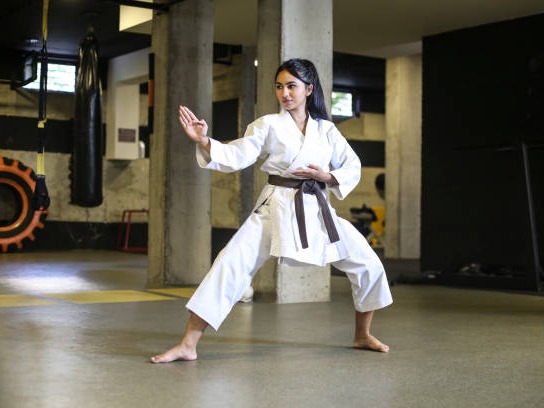
Karate, a centuries-old martial art, has captivated practitioners worldwide with its blend of physical prowess and mental discipline. This ancient combat sport, originating from Japan, has evolved into a globally recognized discipline that offers numerous benefits to its practitioners. In this article, we'll explore the rich history, fundamental techniques, and modern applications of karate. ## The History and Origins of Karate Karate's roots can be traced back to the Ryukyu Kingdom, now known as Okinawa, Japan. The art form developed as a means of unarmed self-defense, influenced by Chinese kung fu and indigenous Okinawan fighting styles. Over time, karate spread throughout Japan and eventually gained international recognition in the 20th century. ### Key Milestones in Karate's Evolution: - 1922: Gichin Funakoshi introduces karate to mainland Japan - 1960s: Karate gains popularity in the West - 1970: World Karate Federation (WKF) is established - 2020: Karate makes its debut as an Olympic sport in Tokyo.
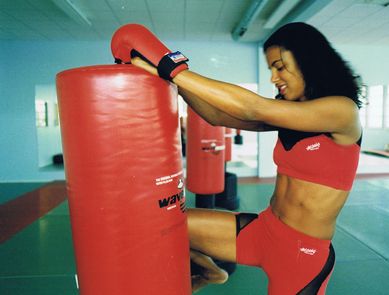
American Boxing, also known as "Boxe Américaine" in French, is a thrilling combat sport that combines elements of traditional boxing with powerful kicking techniques. This hybrid martial art has gained popularity worldwide for its explosive action and strategic depth. Let's dive into the fascinating world of American Boxing and explore its rich history, techniques, and benefits. ## The Origins and Evolution of American Boxing ### A Fusion of Styles American Boxing emerged in the 1970s as a unique blend of traditional English boxing and French Savate. This innovative combat sport was developed to create a more dynamic and versatile fighting system that incorporated both punching and kicking techniques. ### Cultural Impact The sport quickly gained traction in France and other European countries, offering practitioners a comprehensive striking art that bridged the gap between boxing and kickboxing. Its popularity has since spread globally, attracting enthusiasts from various martial arts backgrounds.
Vo Thuat, which translates to "martial arts" in Vietnamese, is a captivating and dynamic combat sport deeply rooted in Vietnam's rich cultural heritage. This ancient martial art form combines physical prowess, mental discipline, and spiritual growth, making it a holistic practice for practitioners of all ages and skill levels. ## History and Origins of Vo Thuat Vo Thuat's origins can be traced back to ancient Vietnam, where it developed as a means of self-defense and military training. The art form evolved over centuries, influenced by various regional styles and neighboring martial arts traditions. Key historical factors that shaped Vo Thuat include: - Resistance against foreign invasions - Influence of Chinese martial arts - Integration of indigenous fighting techniques - Preservation of cultural identity through martial arts Throughout Vietnam's tumultuous history, Vo Thuat has played a crucial role in maintaining national pride and independence.
Taekwondo, a dynamic Korean martial art, has captured the hearts of millions worldwide with its graceful yet powerful techniques. This Olympic sport combines self-defense, physical fitness, and mental discipline, making it an excellent choice for practitioners of all ages and skill levels. ## The Rich History and Origins of Taekwondo Taekwondo's roots can be traced back to ancient Korea, where various martial arts forms were practiced for centuries. The modern version of Taekwondo emerged in the 1940s and 1950s, following the end of Japanese occupation in Korea. General Choi Hong Hi, often referred to as the "Father of Taekwondo," played a crucial role in developing and promoting the sport internationally. ### From Korea to the World - 1955: Taekwondo is officially named and recognized in South Korea - 1973: The World Taekwondo Federation (now World Taekwondo) is established - 1988: Taekwondo becomes a demonstration sport at the Seoul Olympics - 2000: Taekwondo debuts as an official Olympic sport at the Sydney Games.
Viet Vo Dao, also known as Vietnamese martial arts, is a captivating combat sport that has been gaining popularity worldwide. This ancient practice combines physical prowess, mental discipline, and cultural heritage, offering practitioners a unique and enriching experience. In this article, we'll explore the fascinating world of Viet Vo Dao, its history, techniques, and benefits. ## The Rich History and Origins of Viet Vo Dao ### Ancient Roots in Vietnamese Culture Viet Vo Dao's origins can be traced back to ancient Vietnam, where it developed as a means of self-defense and military training. The art form has evolved over centuries, incorporating influences from Chinese martial arts and adapting to the unique landscape and culture of Vietnam. ### Modern Revival and Global Spread In the 20th century, Viet Vo Dao experienced a revival as Vietnamese martial artists sought to preserve and promote their cultural heritage. Today, it has spread beyond Vietnam's borders, gaining recognition as a respected martial art and combat sport around the world.